


The Quest for clean, sustainable, and abundant energy!
The quest for clean, sustainable, and abundant energy has been a driving force in scientific and technological innovation for decades. As the world grapples with climate change and the finite nature of fossil fuels, the search for alternative energy sources has intensified. Among the most intriguing and controversial contenders in this pursuit are Low Energy Nuclear Reactions (LENR), often historically referred to as "cold fusion." This article delves into the fascinating world of LENR, examining its origins, current state of research and development, and the promising role of companies like Clean Planet in shaping its future.
The Enigma of Low Energy Nuclear Reactions (LENR)
What is LENR?
Low Energy Nuclear Reactions (LENR) represent a class of nuclear processes that occur under conditions far less extreme than those required for traditional nuclear fission or fusion. Unlike the high temperatures and pressures characteristic of conventional nuclear reactions, LENR is believed to take place at or near room temperature, typically within condensed matter environments. The prevailing understanding suggests that LENR involves neutron-based electroweak interactions, distinguishing it from the strong-force interactions that govern fission and fusion. A critical characteristic of LENR is its non-chain-reacting nature, meaning it does not produce the runaway reactions associated with nuclear fission.
The U.S. Department of Energy ARPA-E defines LENR as a hypothetical energy-producing process with energy outputs characteristic of nuclear physics (e.g., greater than 1 keV per atomic mass unit per reaction) but requiring energy inputs more akin to chemical reactions (e.g., around 1 electron volt per atom). This unique energy profile, coupled with the potential for minimal harmful byproducts, positions LENR as a highly attractive, albeit challenging, area of research.
Clean Planet: A Pioneer in Quantum Hydrogen Energy (QHE)
Genesis and Vision
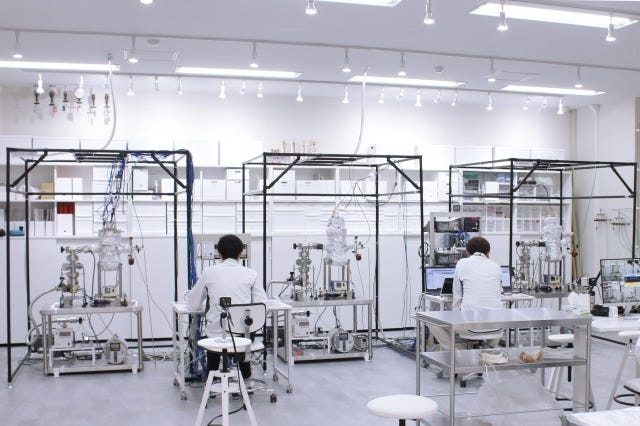
Clean Planet, a Japanese company, stands at the forefront of LENR commercialization efforts. The company's inception was deeply influenced by the 2011 Fukushima nuclear disaster, which underscored the urgent need for safer and more sustainable energy solutions. Driven by this imperative, CEO Hideki Yoshino founded Clean Planet with a vision to develop Quantum Hydrogen Energy (QHE) technology, a novel approach to clean energy rooted in LENR principles. The company's foundational philosophy emphasizes a global reliance on green energy, extending even to potential applications in outer space.
The Science Behind QHe Technology
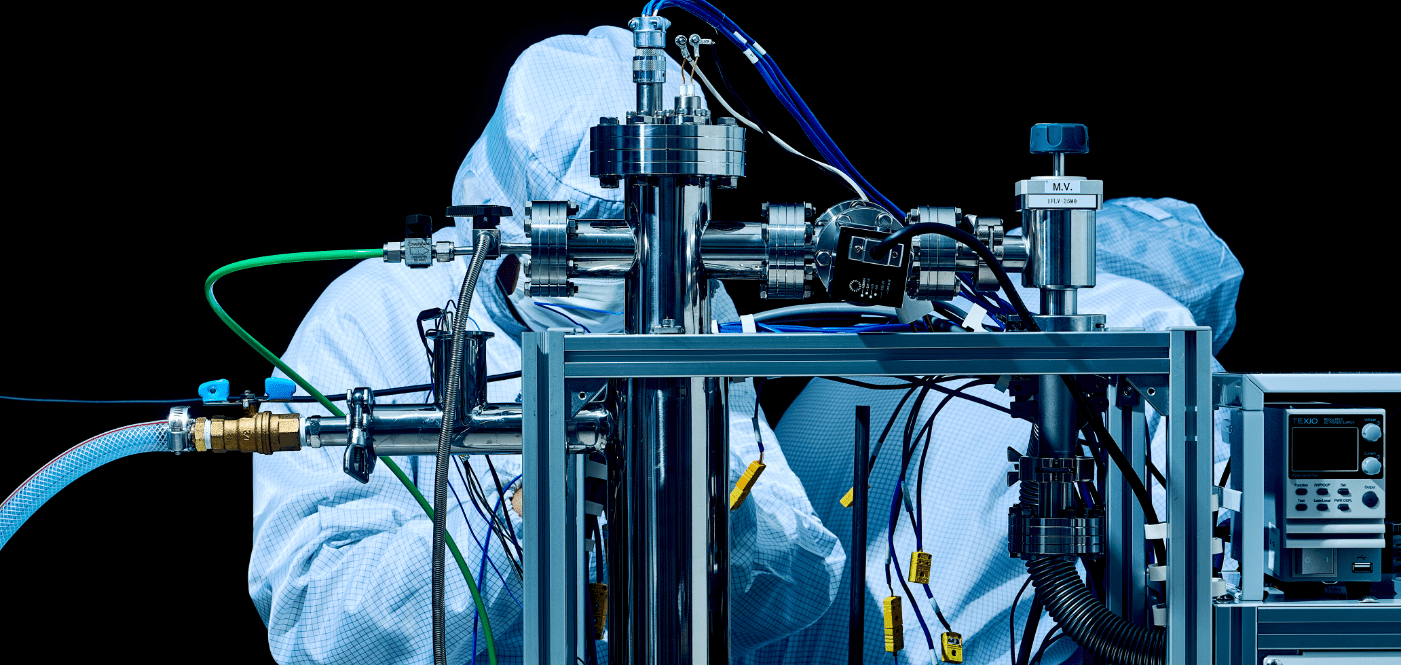
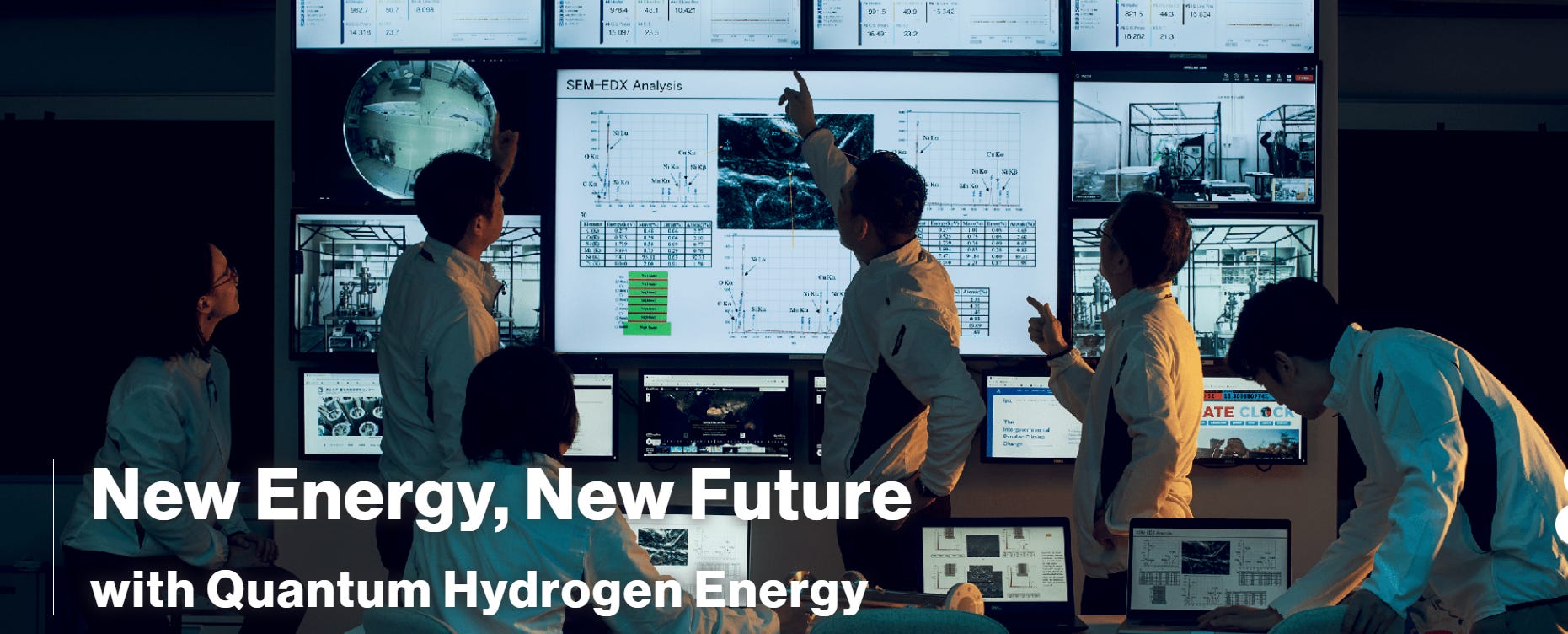
Clean Planet's QHe technology is a heat-generating process based on hydrogen quantum diffusion. This process involves heating a small amount of hydrogen saturated within a nano-sized nickel-based composite material. The reaction generates substantial heat, boasting an energy density more than 10,000 times greater than that of natural gas. Remarkably, less than 10 grams of hydrogen could potentially fulfill a household's monthly electricity and heat requirements. A compelling experiment conducted by Clean Planet demonstrated continuous excess heat generation for an impressive 589 days, initiated solely by an initial hydrogen saturation.
Unlike traditional hot fusion, which demands temperatures in the millions of degrees Celsius, QHe technology operates at significantly lower temperatures, typically between 500°C and 1,000°C. This lower operating range contributes to its inherent safety and manageability. The technology utilizes readily available and cost-effective materials such as light hydrogen and base metals like nickel and copper, further enhancing its practical appeal. Clean Planet's QHe system is designed with modularity and scalability in mind, capable of delivering industrial-scale heat up to 1,000°C, making it adaptable for various applications.
A Phased Approach to Commercialization
Clean Planet has meticulously structured its development and commercialization efforts into distinct phases:
•Phase One (2012-2018): Basic Research at Academic Institutions
•This foundational phase involved establishing a Joint Research Center with Tohoku University in 2015. A significant milestone was the participation in the NEDO project (2015-2017), a national initiative that rigorously confirmed excess heat generation and reproducibility using various nanopowder materials (nickel, copper, and zirconium). This phase successfully validated the fundamental methodology of QHE.
•Phase Two (2019-2021): Preparation for Commercialization
•During this period, Clean Planet focused on developing diverse prototypes for commercial applications. A crucial achievement was the successful replication of the heat generation methodology in a new laboratory near Tokyo, demonstrating its validity even with materials sourced from different providers. Strategic partnerships were forged with prominent companies, including Mitsubishi Estate, Miura (a leading Japanese industrial boiler manufacturer), and a major Japanese electric power company, laying the groundwork for product development.
•Phase Three (2022-Present): Completion of Prototype
•Clean Planet is currently in this critical phase, concentrating on the design, testing, and completion of a prototype for industrial boilers. A key collaboration is with Miura Co., Ltd., to develop a pilot industrial boiler aiming for a substantial output capacity of 600 kilowatts, capable of generating one ton of steam per hour. The company is also actively building partnerships with industries such as steel, chemical, and agriculture to explore and develop customized energy solutions.
•Phase Four (2025-): Completion of Product and Testing for Mass Production
•The upcoming phase anticipates prototype production at a pilot plant in Kawasaki by 2030, aiming to establish a mass production system for their QHe-powered industrial heating devices. Clean Planet plans to expand its patent portfolio, particularly in production processes, and finalize product designs tailored for the agriculture, chemical, steel, and power industries.
•Phase Five: Start of Production at Plant #JP001
•This phase marks the commencement of sales to the Japanese market, with products specifically designed for the agriculture, chemical, steel, and power sectors. This includes the development of a prototype industrial boiler powered by QHe, with a potential output of 600 kilowatts, capable of generating one ton of steam per hour. These modular units are designed for integration into existing industrial infrastructure. Clean Planet has also received a significant grant from the Tokyo Metropolitan Government to support the commercialization of its technology and the construction of a production facility.
•Phase Six: Start of Mass Production
•The final phase envisions mass production and international market expansion, with applications extending to residential use and marine vessels.
Patents and Safety Profile
Clean Planet has strategically built an extensive patent portfolio since 2013, with 272 patents filed and 113 granted across 23 countries. These patents cover a broad spectrum of innovations, including the core Quantum Hydrogen Energy heat generation, reaction control mechanisms, production of nano-sized reactant materials, and various heat-utilizing applications.
A paramount concern in any nuclear technology is safety. Clean Planet emphasizes that despite QHE being a nuclear reaction, it does not produce harmful radiation, presenting a safer alternative to conventional nuclear processes. The reaction can be precisely controlled and easily halted by cooling the system below 500°C. Furthermore, overheating can disrupt the nanostructure of the metals, effectively stopping the reaction, thus providing an inherent safety mechanism.
The Evolving LENR Industry Landscape
Renewed Research and Funding
The broader LENR landscape is experiencing a significant revitalization, marked by increased research and development activities and a notable shift in funding. Governments and academic institutions are re-evaluating the potential of LENR. A prime example is the U.S. Department of Energy's (DOE) allocation of $10 million in February 2023 to eight projects dedicated to assessing the viability of LENR. This substantial investment signals a growing openness to exploring this once-marginalized field.
Current research is intensely focused on:
•Nanomaterials Engineering: The critical role of condensed matter in LENR has led to extensive research into engineering nanomaterials to optimize reaction conditions and enhance energy output.
•Reproducibility and Validation: A key objective is to establish consistent and reproducible experimental results, which are essential for LENR to gain broader scientific acceptance and transition from anomalous observations to a recognized scientific phenomenon.
•Theoretical Frameworks: While experimental evidence is accumulating, a comprehensive theoretical understanding of LENR mechanisms remains a priority. Advancements in theory are crucial for guiding future experimental designs and accelerating technological development.
Key Players and Commercialization Trends
Beyond Clean Planet, several other companies are actively contributing to the commercialization of LENR technology, each with unique approaches and applications:
•Brillouin Energy (USA): A prominent entity in the LENR sector, Brillouin Energy is dedicated to developing controlled LENR reactors for clean energy generation. They have reported significant progress in achieving controlled excess heat.
•Hylenr Technologies (India): This company focuses on LENR for energy amplification, aiming to convert minimal energy input into substantial, sustainable output. Hylenr has showcased its cold fusion technology for clean energy generation.
•ENG8 (UK): ENG8 is actively engaged in catalysed fusion and LENR research, anticipating significant breakthroughs in fusion energy. They foresee 2025 as a pivotal year for commercialization in the field.
These companies are exploring a diverse range of applications for LENR, including industrial heat production, distributed power generation, and specialized industrial boilers. The promise of LENR to deliver energy without harmful emissions or radioactive waste is a powerful motivator in the global pursuit of clean energy solutions.
Future Prospects and Conclusion
The future of LENR appears increasingly promising. The confluence of growing governmental and academic investment, advancements in experimental reproducibility, and the dedicated efforts of private enterprises like Clean Planet, Brillouin Energy, Hylenr Technologies, and ENG8 suggests that LENR could emerge as a transformative force in the global energy landscape. While challenges persist, particularly in fully elucidating the underlying physics and scaling the technology for widespread adoption, the potential for ultra-clean, energy-dense, and inherently safe power sources is a compelling driver.
Many experts within the field anticipate that 2025 will be a landmark year for LENR, potentially witnessing further technological breakthroughs and a surge in investment. As research continues to unravel the mysteries of low-energy nuclear reactions, and as companies like Clean Planet progress through their commercialization roadmaps, the vision of a clean energy future powered by LENR moves closer to reality. The journey from scientific anomaly to commercial viability is a long and arduous one. Still, the persistent efforts in the LENR community offer a beacon of hope for a truly sustainable and clean planet.
References
New Energy Times. "What is LENR Research? (Definitions)." Available at: https://newenergytimes.com/v2/reports/LENR-FAQ.shtml
CLEANPLANET Inc. "TECHNOLOGY." Available at: https://www.cleanplanet.co.jp/technology/
Elshaikh, Eman. "Clean Planet: Innovating the Future of Clean Energy." Solid State Fusion Discovery, June 11, 2024. Available at: https://solidstatefusion.org/2024/06/clean-planet/
U.S. Department of Energy. "U.S. Department of Energy Announces $10 Million in Funding to Projects Studying Low-Energy Nuclear Reactions." News and Insights, February 17, 2023. Available at: https://arpa-e.energy.gov/news-and-events/news-and-insights/us-department-energy-announces-10-million-funding-projects-studying-low-energy-nuclear-reactions
Brillouin Energy. "Clean Energy Technology Company." Available at:
https://brillouinenergy.com/
Hylenr Technologies. "Redefining Clean Energy with LENR." Available at:
https://www.hylenr.com/
ENG8. "Catalysed fusion & LENR poised for a breakout year in 2025." Available at: https://eng8.energy/catalysed-fusion-lenr-poised-breakout-year-2025/
~New Fire Energy